Introduction Are you looking for a friendly and affectionate dog that loves being around people? Some dog breeds are naturally social, loving, and always ready to make new friends. Whether you're searching for a loyal family pet, a therapy dog, or a furry companion who enjoys meeting strangers, this list of the 15 friendliest dog breeds that love people will help you find the perfect match! These breeds are known for their affectionate nature, friendly disposition, and strong bond with humans. Let’s explore these lovable companions! Labrador Retriever – America’s Favorite Friendly Dog Labrador Retrievers top the list when it comes to friendly dogs. They are affectionate, intelligent, and love being around people. Labs are excellent with families, children, and even strangers. Their playful nature and eagerness to please make them great companions for both active individuals and laid-back households. Why Labs Are So Friendly: Gentle and patient with kids Eager to please and highly t...

Table of Contents
Introduction to the Australian Shepherd
Australian Shepherd Personality and Temperament
Caring for an Australian Shepherd
Australian Shepherd Health Issues
Hip and Elbow Dysplasia
Progressive Retinal Atrophy
Hereditary Cataracts
Iris Coloboma
Epilepsy
Multidrug Resistance Mutation (MDR1)
Deafness
Lymphosarcoma
Hemangiosarcoma
Feeding an Australian Shepherd
What to Feed an Australian Shepherd
How to Feed an Australian Shepherd
How Much to Feed an Australian Shepherd
Nutritional Tips for an Australian Shepherd
Behavior and Training Tips for an Australian Shepherd
Fun Activities for Australian Shepherds
Australian Shepherd Grooming Guide
Considerations for Pet Parents
Australian Shepherd Adoption and Buying Guide
FAQs
Conclusion
Introduction to the Australian Shepherd
The Australian Shepherd, often called the "Aussie," is a brilliant and energetic breed loved for its herding ability, loyalty, and stunning coat patterns. Despite its name, the breed originated in the United States, where it was bred to herd livestock.
Whether you're considering getting an Australian Shepherd puppy, adopting a rescue, or already owning one, this guide will provide expert insights on care, training, and health.
Australian Shepherd Personality and Temperament
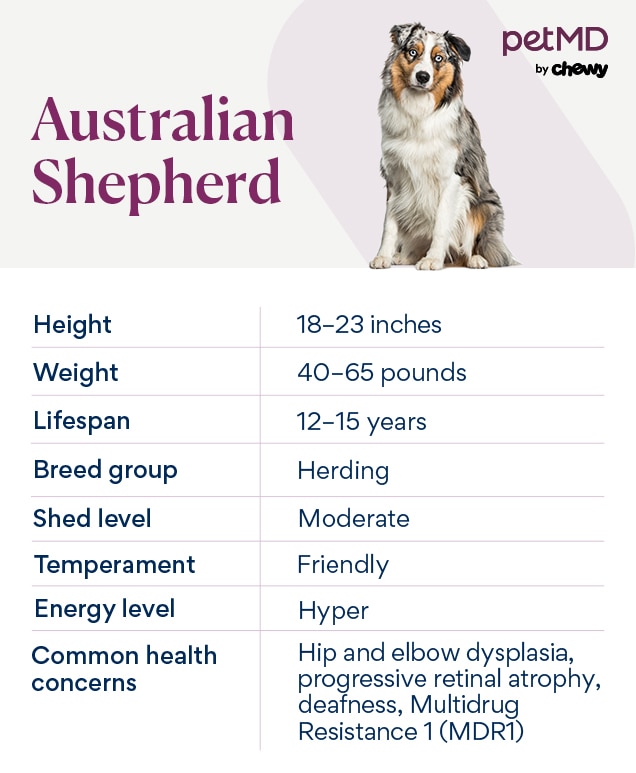
Aussies are known for their intelligence, energy, and strong work ethic. They are affectionate, and protective, and thrive on mental and physical stimulation.
✔️ Great with Families: Loyal and playful, they are excellent companions for children.
✔️ Highly Trainable: Their intelligence makes them responsive to commands.
✔️ Energetic: They need plenty of exercise and mental challenges.
✔️ Herding Instincts: They may nip or chase, which requires training.
Caring for an Australian Shepherd
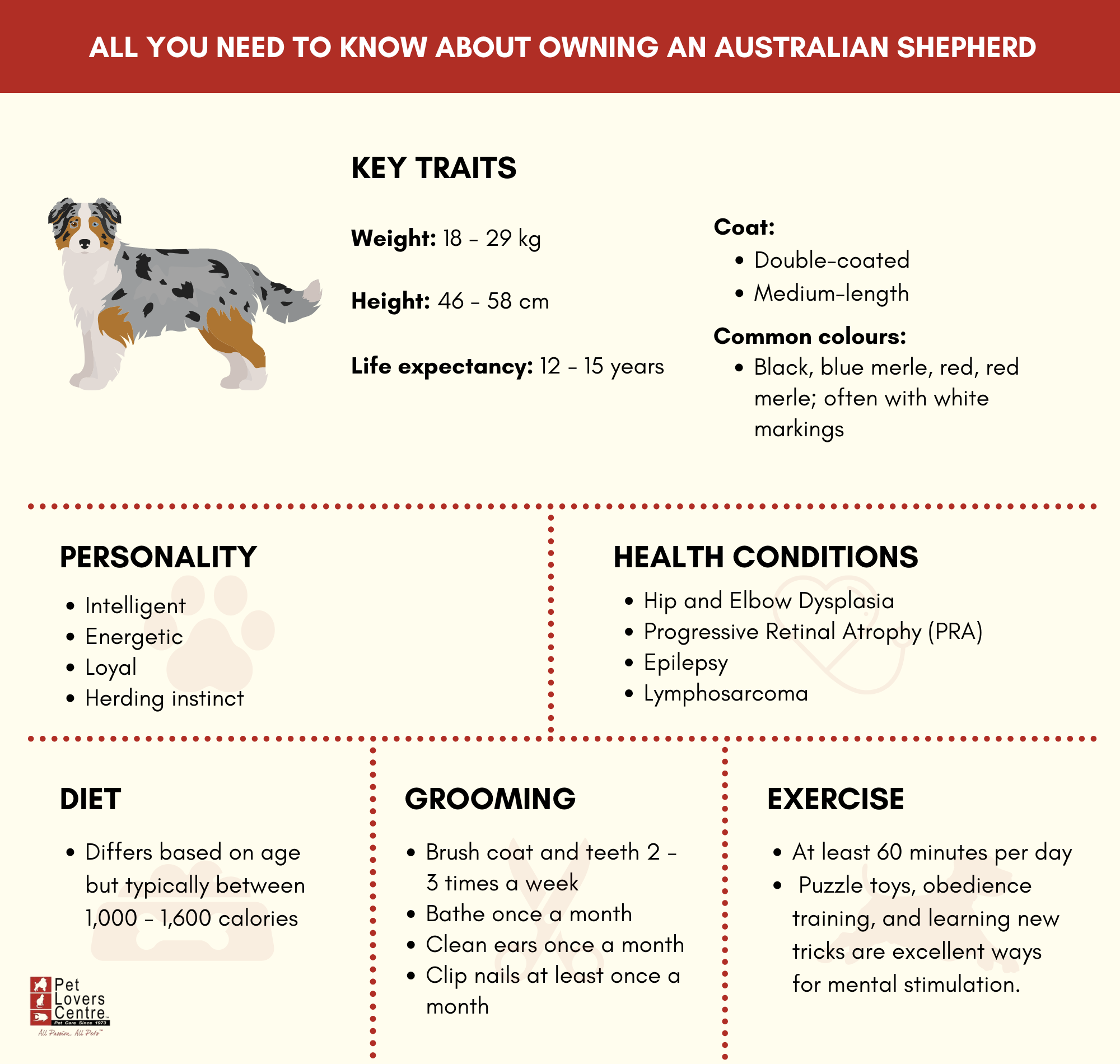
Owning an Australian Shepherd requires commitment. Here’s what you need to know:
✔️ Exercise Needs: At least 1–2 hours of daily activity is essential.
✔️ Mental Stimulation: Interactive toys, puzzles, and training exercises keep them engaged.
✔️ Socialization: Expose them to different people, pets, and environments early on.
✔️ Living Space: They do well in spacious homes with yards but can adapt to apartments with enough exercise.
Australian Shepherd Health Issues
Like all breeds, Australian Shepherds can develop certain health conditions. Being aware of these will help ensure a long, healthy life.
Hip and Elbow Dysplasia
Common in active breeds, causing joint pain and arthritis.
Maintain a healthy weight and provide joint supplements as needed.
Progressive Retinal Atrophy (PRA)
A genetic disease leading to blindness.
No cure, but early diagnosis can help manage it.
Hereditary Cataracts
Can cause vision impairment or blindness.
Regular vet check-ups are essential.
Iris Coloboma
A congenital eye defect affecting vision.
Epilepsy
Some Aussies may experience seizures.
Medications help manage the condition.
Multidrug Resistance Mutation (MDR1)
Makes them sensitive to certain drugs.
Genetic testing helps identify risks.
Deafness
Common in merle-colored Aussies.
Training and hand signals help communication.
Lymphosarcoma & Hemangiosarcoma
Types of cancers affecting Aussies.
Early detection and treatment improve outcomes.
Feeding an Australian Shepherd
What to Feed an Australian Shepherd
A well-balanced diet includes:
✔️ High-quality protein (chicken, fish, beef)
✔️ Healthy fats (salmon oil, flaxseed)
✔️ Vegetables (carrots, spinach) for vitamins
✔️ Avoid fillers like corn and artificial additives
How to Feed an Australian Shepherd
Puppies: 3–4 small meals per day
Adults: 2 balanced meals per day
Seniors: Adjust based on activity level
How Much to Feed an Australian Shepherd
Puppies: 1–2 cups of high-quality kibble
Adults: 2–3 cups based on size and activity
Seniors: 1.5–2.5 cups with supplements
Nutritional Tips for an Australian Shepherd
✔️ Provide fresh water at all times.
✔️ Avoid human foods like chocolate, grapes, and onions.
✔️ Use omega-3 supplements for a healthy coat.
Behavior and Training Tips for an Australian Shepherd
✔️ Start training early with positive reinforcement.
✔️ Teach basic commands like "sit," "stay," and "come."
✔️ Use mental challenges like puzzle toys and agility training.
✔️ Avoid harsh punishment—Aussies respond better to praise and rewards.
Fun Activities for Australian Shepherds
Hiking & Running: Perfect for their high energy.
Agility Training: Keeps them physically and mentally fit.
Herding Trials: Great for their instincts.
Frisbee & Fetch: A fun way to burn off energy.
Australian Shepherd Grooming Guide
✔️ Brushing: 2–3 times per week (daily during shedding season).
✔️ Bathing: Every 6–8 weeks with dog-friendly shampoo.
✔️ Ear Cleaning: Prevents infections.
✔️ Nail Trimming: Every 4–6 weeks.
❗ Do Australian Shepherds shed? Yes! Aussies shed year-round and heavily in the spring and fall.
Considerations for Pet Parents
✔️ Time Commitment: Aussies need constant engagement.
✔️ Training & Socialization: Crucial for well-behaved pets.
✔️ Space Needs: They thrive in active households.
✔️ Grooming Needs: Regular brushing is a must.
FAQs
Are Australian Shepherds good with kids?
Yes, but they may try to herd small children. Early training helps manage this.
How long do Australian Shepherds live?
On average, 12–15 years with proper care.
Do Australian Shepherds bark a lot?
They are vocal dogs, but training helps control excessive barking.
Are Australian Shepherds hypoallergenic?
No, they shed a lot and are not ideal for allergy sufferers.
Can Australian Shepherds be left alone?
Not for long periods—they thrive on companionship.
Conclusion
The Australian Shepherd is a fantastic breed for active and dedicated owners. Whether you’re considering a mini Australian Shepherd, an Australian Shepherd mix, or a standard Aussie, knowing how to care for them ensures a happy and healthy life.
Are you ready to welcome an Aussie into your home? Let us know in the comments! 🐶💙
Comments
Post a Comment